
Why Multi-Brand Robot Integration Is Becoming the Industry Standard
A Practical Perspective for System Integrators and Distributors
Introduction
In industrial automation projects, robot brand selection was once a defining decision. Many system integrators preferred to standardize on a single robot brand to simplify engineering and maintenance. However, this approach is becoming increasingly difficult to sustain.
Today, multi-brand robot integration is no longer an exception. It is becoming the industry standard, especially for system integrators, distributors, and automation solution providers operating across different regions and markets.
This shift is not driven by marketing trends, but by practical challenges in supply chain management, project delivery, and long-term system support.
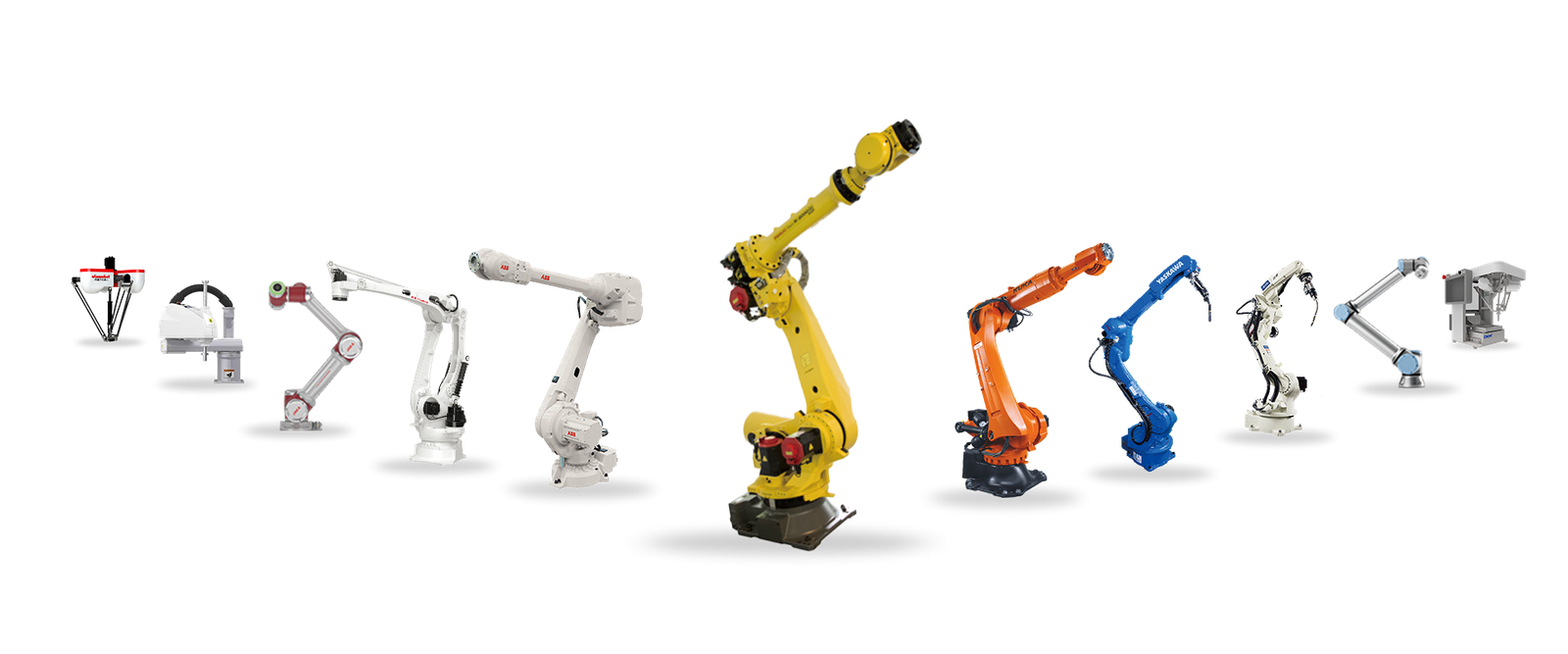
1.Single-Brand Integration Creates Structural Limitations
Relying on a single robot brand introduces several structural risks for system integrators and distributors.
These risks mainly include:
● Supply instability caused by regional shortages or long lead times
● Limited flexibility when project specifications or budgets change
● Dependency risk on one manufacturer’s pricing, policies, and delivery schedules
In international automation projects, these issues directly affect delivery timelines and customer satisfaction. As a result, many integrators are shifting away from single-brand dependency toward more flexible sourcing strategies.
2.Project Requirements Are No Longer Brand-Centric
Modern automation projects are increasingly defined by system performance rather than robot brands.
System integrators are now expected to deliver complete solutions that integrate robots with the following components:
● Linear rails and transfer systems
● Robot positioners and external axes
● Vision systems and safety components
● Third-party tooling and peripheral equipment
Under these conditions, selecting the most suitable robot brand for each function becomes more important than maintaining brand consistency. Multi-brand integration allows integrators to optimize system design based on performance, availability, and cost.
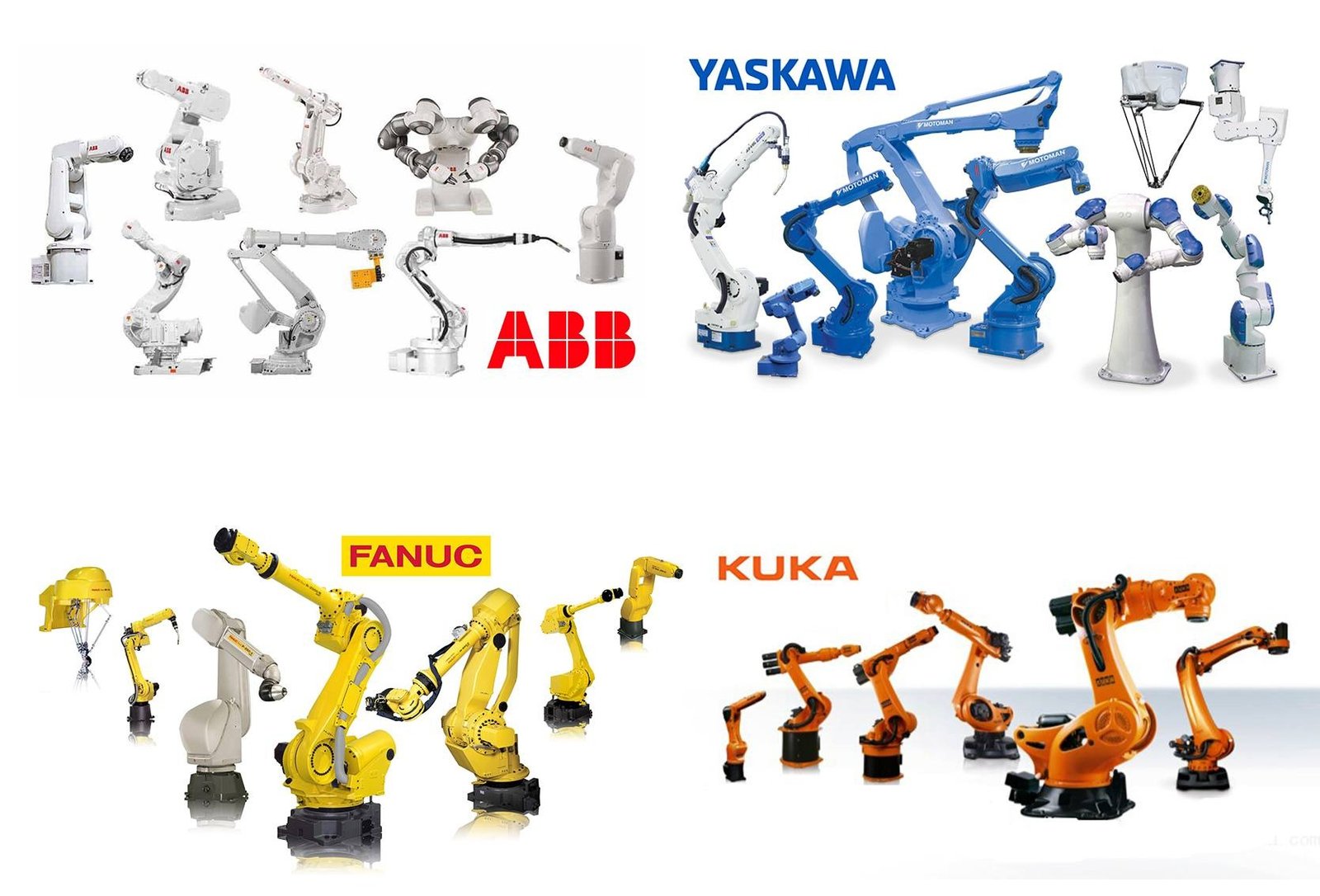
3.Multi-Brand Integration Improves Supply Chain Resilience
One of the strongest drivers behind multi-brand integration is supply chain resilience.
Global system integrators and distributors frequently face challenges such as:
●Long robot delivery times
●Regional availability differences
●Export and logistics uncertainties
By working with multiple robot brands—such as FANUC, ABB, KUKA, and YASKAWA—integrators can:
●Reduce delivery risks
●Maintain project schedules
●Offer alternative solutions when one brand is unavailable
This flexibility is especially important for overseas integrators sourcing robots and automation components from international suppliers.
4. Distributors and Integrators Need Scalable Cooperation Models
For distributors and system integrators, long-term growth depends on scalable cooperation models, not one-off projects.
Multi-brand robot integration enables partners to:
●Support a wider customer base
●Adapt to different regional standards and preferences
●Expand automation offerings without redesigning core systems
From a cooperation perspective, this increases the value of working with suppliers and integration partners who can provide multi-brand robot supply, accessories, and engineering support within a unified framework.
5. Technical Capability Is Shifting from Brand Knowledge to Integration Expertise
As robot platforms mature, the technical differentiation between major brands continues to narrow. What differentiates successful automation partners today is not brand-specific knowledge alone, but system-level integration expertise.
Professional integrators are expected to manage:
●Multi-brand robot programming environments
●External axes and peripheral coordination
●Unified safety and communication architectures
This evolution reinforces the role of system integrators and suppliers who are experienced in multi-brand robot environments and can support overseas partners throughout the system lifecycle.
6.Why Multi-Brand Integration Matters for Overseas Partners
For overseas system integrators, distributors, and automation companies, multi-brand robot integration offers several practical advantages:
● Greater sourcing and procurement flexibility
● Reduced delivery and project execution risks
● Stronger negotiating position in robot purchasing
● Improved long-term system scalability
As a result, many international partners now actively seek robot suppliers and integration partners that support multiple robot brands rather than promoting a single-manufacturer approach.
Conclusion
Multi-brand robot integration is becoming the industry standard not because of preference, but because of operational necessity.
For system integrators and distributors, multi-brand capability is essential to:
● Maintain project stability
● Optimize system design
● Build resilient and scalable automation solutions
As industrial automation continues to globalize, multi-brand integration will remain a core capability for competitive system integrators worldwide.
We are an industrial robot supplier
FANUC Robot|ABB Robot|KUKA Robot|YASKAWA Robot|KAWASAKI Robot|UR Cobot|JAKA Cobot|OTC Welding Robot|Positioner|Guide Rail|Robot accessories|Robot integration|Industrial robot|cobot|Scara robot|Delta Robot
 China Industrial Robot Supplie
 When Customers Ask for Differe
 Why Fast Quotation Response Ma
How a One-Stop Industrial Robo
Why Fast Quotation Response Ma
How a One-Stop Industrial Robo