
What exactly is controlling the robots' work?--YM ROBOT
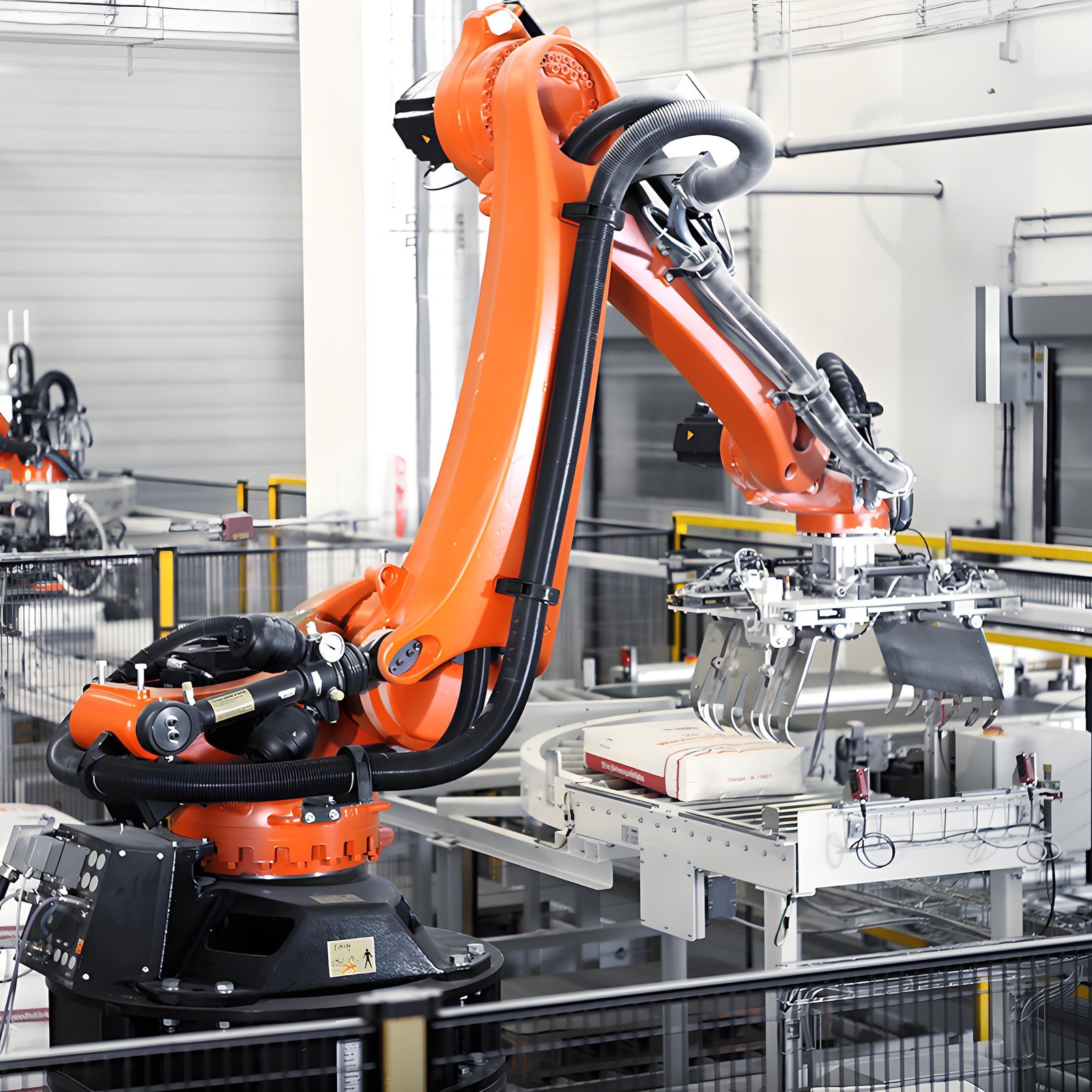
Are humans controlling the robots' work? No, it's a controller issue. Industrial robot controllers primarily control the robot's movement position, posture, trajectory, operation sequence, and action time within the workspace.
The controller is the "decision-making body" that issues commands; it's the brain of the automated factory. Controlling the controller is equivalent to controlling the robot's performance. In China, the four major manufacturers hold a 53% market share of controllers, with Fanuc accounting for 16%, KUKA for 14%, and ABB Robotics for 12%. However, the market share of domestic brand controllers is less than 16%, indicating a relatively low level of localization in the Chinese controller field.
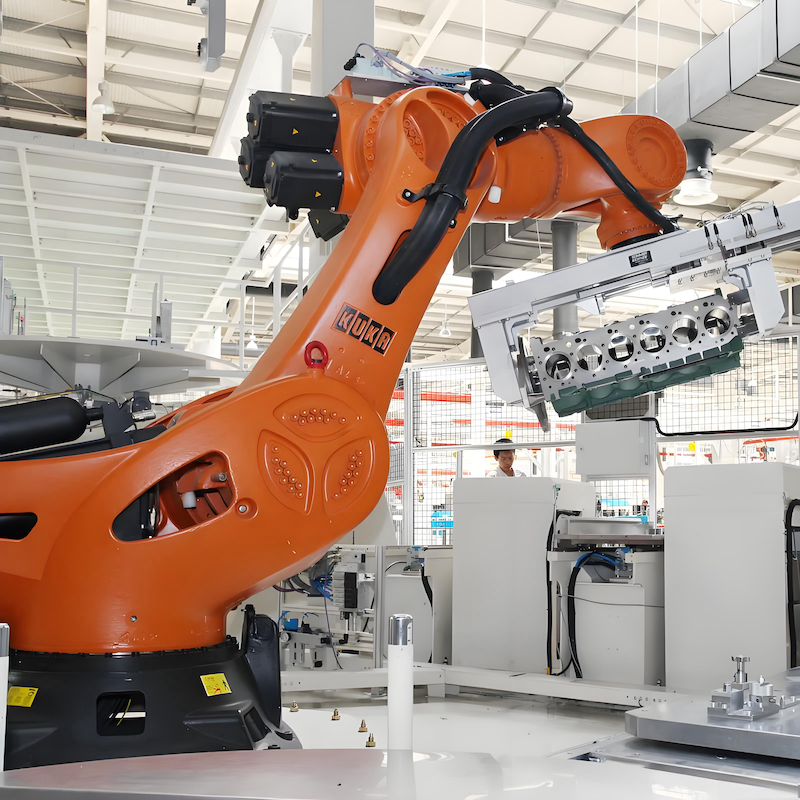
Currently, the domestic controller market mainly faces the following problems:
1. Domestic controllers can control various types of robots, but there is still significant room for improvement in terms of operating accuracy, stability, response speed, and ease of use.
2. The interaction between the robot body and its components is strong. Generally, mature robot companies can achieve independent research and development and control of the robot body and core components. Therefore, it is difficult for domestic companies that only produce controllers to break through.
3. Domestic controllers have a high cost-performance ratio, which is both an advantage and a disadvantage. The advantage is that they can occupy the mid-to-low-end market and emerging fields where high robot accuracy is not required. The main disadvantage is that there is still a long way to go for them in the market.
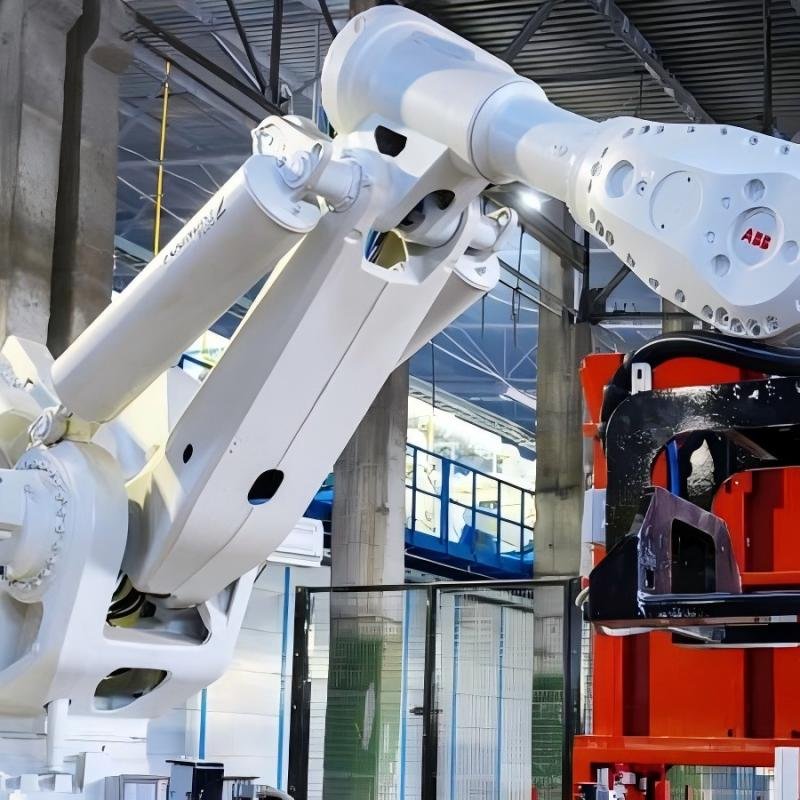
Therefore, the "Robot Development Plan" specifically emphasizes improving motion accuracy and enhancing dynamic performance in high-speed variable-load applications by developing high-performance joint servo systems, vibration suppression technology, dynamic inertia compensation technology, and multi-joint high-precision motion calculation and planning. It also emphasizes developing and mastering open-source controller software development platform technology to enhance the scalability, portability, and reliability of robot controllers.
Contact us for more information about Industrial robot
FANUC Robot|ABB Robot|KUKA Robot|YASKAWA Robot|KAWASAKI Robot|UR Cobot|JAKA Cobot|OTC Welding Robot|Positioner|Guide Rail|Robot accessories|Robot integration|Industrial robot|cobot|Scara robot|Delta Robot
 China Industrial Robot Supplie
 When Customers Ask for Differe
 Why Fast Quotation Response Ma
How a One-Stop Industrial Robo
Why Fast Quotation Response Ma
How a One-Stop Industrial Robo